Source 3d tpu embossed patch for Garments Bags and Shoes
Compare 30 listings for 3d tpu embossed patch options from Guangdong suppliers. Buyers can evaluate custom sizes, iron-on and velcro styles, and lead times ranging from 3 to 15 days for bulk orders.
Key considerations
Products List


Comprehensive Sourcing Guide
3d Tpu Embossed Patch Sourcing Guide
Sourcing 3D TPU embossed patches requires a nuanced understanding of material behavior, manufacturing techniques, and commercial terms that differ significantly from standard fabric or PVC patches. These patches are characterized by their raised, tactile surfaces and vibrant color retention, achieved through specialized molding and heat transfer processes. Buyers must navigate a landscape where customization is the norm, with suppliers offering extensive options for color, shape, and logo integration. The primary challenge lies in aligning the aesthetic and functional requirements of the final product with the technical capabilities of the manufacturer, ensuring that the embossed details remain durable through washing and wear.
This guide provides a structured approach to evaluating suppliers and products based on observed market signals and technical realities. It focuses on verifying critical specifications such as material composition, attachment methods, and production lead times. By adhering to the evidence-based insights provided, procurement professionals can mitigate risks associated with quality inconsistencies and supply chain delays. The goal is to equip buyers with the knowledge to make informed decisions that balance cost, quality, and speed, ensuring that the final patches meet the rigorous demands of brands in the apparel, footwear, and accessory sectors.
Product Scope and Observed Listing Signals
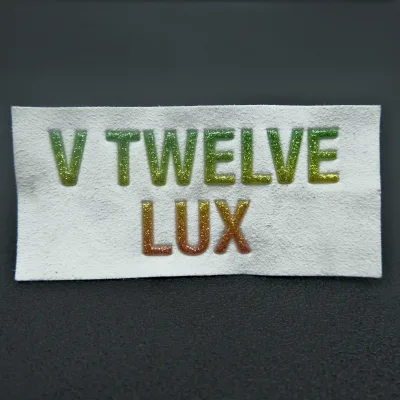
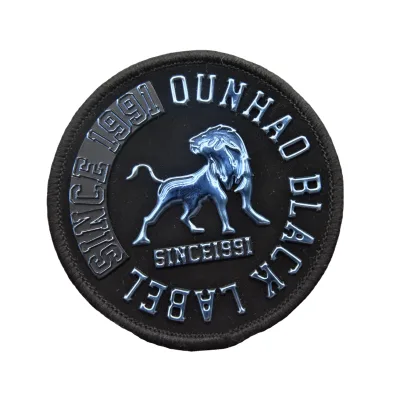
The market for 3D TPU patches is defined by a high degree of customization and versatility in application. Observed listings indicate that these products are widely used for T-shirts, baby clothes, pants, trousers, coats, shirts, bags, shoes, jackets, and other garments. The core material is typically TPU (Thermoplastic Polyurethane), which offers flexibility and durability, often combined with felt backing or other fabric types for enhanced adhesion and texture. The visual appeal is a key driver, with suppliers emphasizing dazzling colors that follow Pantone color charts, allowing for precise brand matching. The 3D effect is achieved through molding techniques, creating a raised profile that adds depth and premium feel to the finished product.
Attachment methods vary, with iron-on and velcro-on options being common, though heat transfer processes using PET film or vinyl are also prevalent. This flexibility allows buyers to choose the most suitable application method for their specific product line. For instance, iron-on patches are ideal for seamless integration into garments, while velcro-on patches offer reusability and adaptability for tactical or outdoor gear. The observed data suggests that suppliers are equipped to handle both standard and custom sizes, with many offering free design services and skilled support to help buyers refine their artwork. This level of service is crucial for ensuring that the final design translates effectively into the 3D embossed format.
Technical Specifications to Verify
When evaluating technical specifications, the first priority is to confirm the material composition and construction details. Buyers should verify that the main material is indeed TPU, as this ensures the desired flexibility and durability. The presence of a felt backing or specific fabric type should also be confirmed, as this affects the patch's texture and adhesion properties. Additionally, the molding technique used to create the 3D effect must be understood, as different methods can result in varying levels of detail and consistency. It is also important to check the plastic type and any additional layers, such as transfer printing films, which contribute to the patch's overall quality and longevity.
Color accuracy and size precision are critical technical aspects that require careful verification. Buyers should insist on patches that follow Pantone color charts to ensure brand consistency, and they should confirm that custom sizes are available if standard options do not meet their needs. The attachment method, whether iron-on, velcro-on, or heat transfer, must be clearly specified and tested for durability. Furthermore, the product model number and origin, often Guangdong, China, should be documented for traceability. Understanding these technical details helps buyers avoid discrepancies between the sample and the bulk order, ensuring that the final product meets their exact specifications.
Compliance and Safety Documentation
Compliance and safety are paramount when sourcing patches for apparel and accessories, particularly for products intended for children or sensitive skin. Buyers should request documentation that verifies the safety of the materials used, including the TPU and any adhesives or backing materials. While specific certifications like OEKO-TEX are mentioned in some contexts, buyers should not assume compliance without explicit verification from the supplier. It is essential to ensure that the patches do not contain harmful substances that could pose a risk to consumers, especially in products like baby clothes where safety standards are stringent.
In addition to material safety, buyers should verify that the production processes adhere to relevant environmental and labor standards. This includes checking for eco-friendly practices, as some suppliers highlight this as a feature of their products. Documentation should also cover the testing procedures used to ensure the durability and washability of the patches. Buyers should request test reports or certificates that confirm the patches can withstand repeated washing without losing their color, shape, or adhesion. This due diligence helps mitigate legal and reputational risks associated with non-compliant products.
Cost Drivers and Commercial Terms
The cost of 3D TPU embossed patches is influenced by several factors, including the complexity of the design, the number of colors, and the quantity ordered. Observed data indicates a price range of $0.02 to $1 per unit, with MOQs typically ranging from 10 to 1000 pieces. However, buyers should be aware that sample costs can be significantly higher, often ranging from $35 to $110 per style, especially for special designs. This initial investment is crucial for validating the quality and appearance of the patches before committing to a large order. Understanding these cost structures helps buyers budget effectively and negotiate favorable terms with suppliers.
Commercial terms also include lead times for samples and bulk production. Sample times are generally around 3-5 working days, while bulk production can take 8-15 days, depending on the order size and complexity. Buyers should plan their procurement cycles accordingly to avoid delays in product launches. Additionally, packaging and shipping costs should be considered, as suppliers may use different methods such as PP bags, small boxes, or express courier services like DHL, UPS, FedEx, or TNT. Clear communication of these terms ensures that both parties have a shared understanding of the project timeline and financial expectations.
Supplier Qualification and Quality Control
Supplier qualification is a critical step in ensuring the reliability and consistency of 3D TPU embossed patches. Buyers should assess the supplier's production capabilities, including their ability to handle custom designs and large volumes. Observed data suggests that suppliers have a supply ability of up to 100,000 pieces per month, which is sufficient for most medium to large orders. However, buyers should verify this capacity through site visits or third-party audits to ensure that the supplier can meet their specific needs. Additionally, the supplier's experience in the industry and their track record with similar products should be evaluated.
Quality control measures should be clearly defined and agreed upon before production begins. Buyers should request detailed quality control plans that outline the inspection criteria for materials, production processes, and finished products. This includes checking for defects such as color mismatches, incomplete embossing, or poor adhesion. Buyers should also establish a process for handling non-conforming products, including return policies and compensation terms. By implementing robust quality control measures, buyers can minimize the risk of receiving substandard patches and ensure that their brand reputation is protected.
Long-Term Procurement Checks
Long-term procurement success depends on establishing a sustainable relationship with suppliers who can consistently deliver high-quality products. Buyers should conduct regular performance reviews to assess the supplier's reliability, quality, and responsiveness. This includes monitoring lead times, defect rates, and communication effectiveness. By maintaining open lines of communication and providing constructive feedback, buyers can foster a collaborative partnership that benefits both parties. Additionally, buyers should stay informed about industry trends and technological advancements that could impact the production of 3D TPU patches, such as new materials or printing techniques.
Finally, buyers should continuously evaluate their supply chain for potential risks and opportunities for improvement. This includes diversifying suppliers to mitigate the risk of disruptions and exploring new markets for cost-effective sourcing. By staying proactive and adaptable, buyers can ensure that their procurement strategy remains aligned with their business goals. The key to long-term success lies in balancing cost, quality, and speed, while maintaining a strong focus on compliance and sustainability. Through diligent management and strategic planning, buyers can secure a reliable supply of 3D TPU embossed patches that meet their evolving needs.
FAQs
What customization options are available for 3d tpu embossed patches?
Customization is available for color, shape, and logo to make your design unique. You can request specific sizes and follow the Pantone color chart. Free artwork services and skilled design support are provided to help realize your vision.
How long does it take to receive samples for 3d tpu embossed patches?
Sample time is around 3 to 5 working days for standard requests. Some listings indicate a sample time of 7 days depending on the specific design complexity. The sample cost is typically between 35 and 110 USD per style if special design is required.
What is the minimum order quantity for 3d tpu embossed patches?
The minimum order quantity varies between 100 and 500 pieces depending on the specific supplier or product model. Some sources list an MOQ of 100 pieces while others require 500 pieces. You should verify the exact MOQ with the manufacturer before placing an order.
Can I get 3d tpu embossed patches with iron-on or velcro attachment?
Yes, these patches are available in both iron-on and velcro-on styles. They are designed for use on various garments including t-shirts, baby clothes, coats, and bags. The product features a 3D embossed effect using TPU material.
Where are 3d tpu embossed patches manufactured and what is the lead time?
These patches originate from Guangdong, China, with a bulk production time of 8 to 15 working days. The supply ability is up to 100,000 pieces per month. Packaging is typically done in bulk with 500 pieces in a PP bag or small box.
What materials are used to make 3d tpu embossed patches?
The main material used is TPU, which allows for a durable 3D embossed effect. The product is also described as eco-friendly and suitable for various applications like bags, shoes, and jackets. The process involves transfer printing film or vinyl heat transfer.